

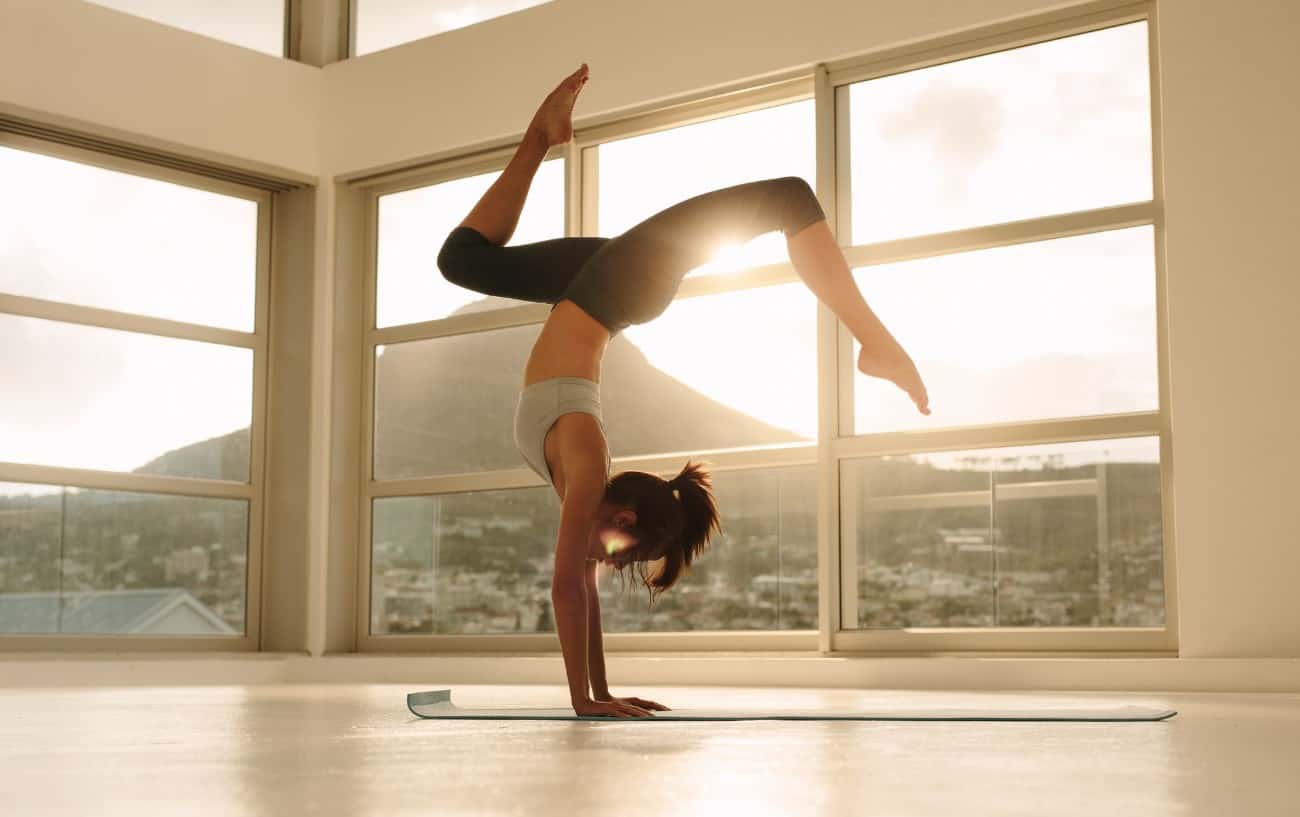
Introduction: A Forgotten Elegance in Movement
In an age where technological marvels enable life at the tap of a finger, the simple grace of moving one’s own body has become both undervalued and misunderstood. Exercise, once an organic part of daily existence, is now confined to fitness centers and app reminders, stripped of its inherent beauty and woven instead into a checklist of obligations. But to view exercise merely as a duty is to miss its truest gift—a lifelong ritual that nurtures not only the body but also the mind and soul.
Redefining What It Means to Move
Contrary to modern perception, exercise is not synonymous with punishing sweat sessions or the relentless chase of an aesthetic ideal. True exercise is any intentional movement that strengthens, sustains, or restores vitality. It is a conversation with our own physicality, an act of gratitude for our body’s resilience and adaptability.
Whether it is a dawn walk beneath whispering trees, an hour of mindful yoga, or the joyful abandon of dancing in one’s kitchen—each is valid, each is meaningful. The power lies in the intention behind the movement, not its intensity or duration.
The Science That Sustains the Ritual
Decades of research have painted a clear picture: regular movement nourishes nearly every system in the human body. Consider these compelling truths:
-
Cardiovascular Health: Exercise strengthens the heart, improves circulation, and lowers the risk of stroke and heart disease.
-
Cognitive Function: Aerobic activity stimulates neuroplasticity, helping to ward off cognitive decline and bolster memory.
-
Mental Well-being: Physical activity triggers the release of endorphins and serotonin, elevating mood and reducing symptoms of anxiety and depression.
-
Longevity and Vitality: Countless studies link consistent exercise with longer lifespans and a higher quality of life in later years.
Yet for all its scientifically proven benefits, the true wonder of exercise lies in its power to anchor us in the present. In a world brimming with digital distractions, movement reclaims our attention and reminds us that we inhabit bodies designed to feel alive.
Barriers and Breakthroughs
If the benefits are so obvious, why does the average person struggle to maintain an active lifestyle? The reasons are deeply human: time constraints, unrealistic expectations, the intimidation of gym culture, and the disheartening comparison to seemingly flawless fitness influencers.
To break free of these traps, it helps to rethink exercise not as a future obligation but as a daily ritual woven gently into life’s fabric.
Strategies to Reclaim Movement:
-
Prioritize Joy: Choose activities you genuinely enjoy—be it swimming, gardening, or hiking. Joyful movement is sustainable.
-
Start Small: Five minutes of stretching each morning can blossom into a habit more powerful than an abandoned gym membership.
-
Be Flexible: Life changes—so should your routine. Adapt to seasons, moods, and stages of life without self-reproach.
-
Seek Community: A walk with a friend or a community dance class can transform movement into connection.
The Spiritual Undercurrent of Exercise
Beyond the measurable outcomes, there is an unspoken, almost spiritual dimension to movement. Many who run speak of a meditative state where the body’s rhythm silences the mind’s noise. Yogis know the transcendence that flows from synchronizing breath and posture. Even a solitary stroll can unearth clarity that no desk-bound brainstorming session ever could.
To honor exercise as a ritual is to invite it to be both discipline and devotion—a time each day to return to oneself and remember what it feels like to be fully present in a living, breathing body.
The Subtle Art of Longevity
Consider the world’s Blue Zones—regions where people routinely live past 90. What they share is not a rigid workout plan but lives that naturally incorporate movement: tending gardens, walking hills, cycling to markets. For them, movement is not an hour carved from the day but a thread running through every waking moment.
We would do well to learn from this understated wisdom. A commitment to daily motion, however humble, compounds over decades into a resilient body and a supple mind.
Embracing a New Philosophy
In the end, exercise should be reclaimed as an act of self-respect, not self-punishment. It is not a quick fix for an imperfect body but an enduring promise to ourselves: to stay engaged with life, to inhabit the miracle of our own flesh, to cherish the freedom of motion for as long as we are granted the privilege.
Conclusion: Begin Where You Stand
Wherever you are in your journey—sedentary, athletic, or somewhere in between—start not with guilt but with curiosity. What form of movement sparks a flicker of joy in you? What ritual could you build around it that feels less like a chore and more like a gift?
Begin where you stand. Walk, stretch, sway, swim—whatever awakens your breath and reminds you that your body is not an obstacle but an instrument for experiencing life’s fullness.
When we reimagine exercise not as drudgery but as an art of motion, we invite ourselves to live with greater grace and gratitude. And in that simple, enduring ritual, we find a way back to our most vibrant selves.