

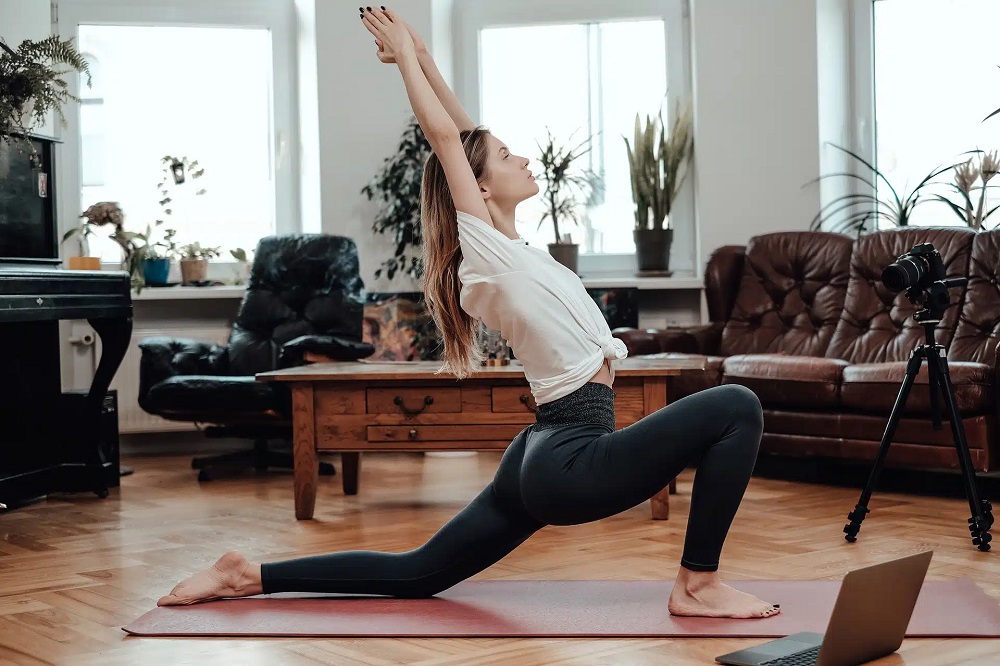
Poor posture has become an silent epidemic in modern society. Hours spent hunching over smartphones, leaning toward computer monitors, and sitting in poorly designed office chairs take a severe toll on human anatomy. Slouching does not merely look bad; it reshapes the physical structure of the body over time. Misalignment of the spine strains muscles, compresses spinal discs, restricts breathing, and can even impair digestion.
Fortunately, the human body possesses remarkable adaptability. By incorporating targeted strength, mobility, and flexibility movements into a daily routine, you can reverse structural imbalances, alleviate chronic back and neck pain, and restore optimal alignment.
Understanding the Anatomy of Posture
Good posture, scientifically referred to as neutral spine alignment, occurs when the spine retains its natural S-shaped curves: a gentle inward curve at the neck (cervical spine), an outward curve at the upper back (thoracic spine), and an inward curve at the lower back (lumbar spine). When these curves align properly, gravity distributes weight evenly across the joints, ligaments, and core muscles.
When you slouch, specific muscle groups become chronically shortened and tight, while opposing muscle groups become lengthened and weak. For instance, sitting with rounded shoulders causes the pectoral (chest) muscles to tighten while the upper back muscles, such as the rhomboids and lower trapezius, become weak and overstretched. Rebuilding healthy posture requires a two-pronged strategy: stretching the tight overactive muscles and strengthening the weak underactive ones.
Core-Strengthening Exercises for Spinal Stability
The core acts as a natural brace for the spinal column. A strong core extends far beyond six-pack abdominal muscles; it includes the deep stabilizing layers, such as the transversus abdominis, multifidus, and pelvic floor muscles.
The Bird-Dog
This movement builds core stability while encouraging a neutral spine under dynamic conditions.
- Start on your hands and knees in a tabletop position, placing your wrists directly under your shoulders and your knees under your hips.
- Keep your head in line with your spine and your gaze directed toward the floor.
- Slowly extend your right arm forward and your left leg backward until both are parallel to the floor.
- Hold the position for two seconds, ensuring your hips do not tilt or rotate.
- Return to the starting position and repeat the movement with your left arm and right leg.
- Complete ten to twelve repetitions on each side.
The Dead Bug
The dead bug trains the deep core to stabilize the lower back while the limbs move, making it essential for protecting the lumbar spine.
- Lie on your back with your arms extended straight toward the ceiling.
- Raise your legs so your knees are bent at a ninety-degree angle, placing your shins parallel to the floor.
- Press your lower back flat into the floor, eliminating any arch.
- Slowly lower your right arm backward over your head while simultaneously extending your left leg straight out toward the floor.
- Pause just before your hand and foot touch the ground.
- Return to the starting position and repeat with the opposite limbs.
- Aim for three sets of twelve total repetitions.
Upper Back and Shoulder Posture Correctors
Modern habits tend to draw the shoulders forward and pull the head out of alignment. Strengthening the rear deltoids, upper back, and neck extensors helps pull the shoulders back into their proper anatomical position.
The Thoracic Y-T-W Raises
This exercise targets the neglected posterior muscles of the upper torso, strengthening the scapular retractors and stabilization muscles.
- Lie face down on a mat with your legs straight and your forehead resting gently on the floor.
- For the Y position, extend your arms diagonally overhead at a forty-five-degree angle, forming a Y shape with your body. Turn your thumbs pointing up toward the ceiling.
- Lift your arms toward the sky by squeezing your shoulder blades together, hold for one second, and lower them back down. Perform eight repetitions.
- For the T position, extend your arms straight out to the sides perpendicular to your torso. Lift your arms toward the ceiling, focus on squeezing the center of your shoulder blades, and lower them. Perform eight repetitions.
- For the W position, bend your elbows and pull them down toward your ribs so your arms form a W shape. Drive your hands and elbows up toward the ceiling, hold, and return. Perform eight repetitions.
Chin Tucks
Forward head posture puts immense pressure on the cervical spine. Chin tucks strengthen the deep cervical flexors and realign the head over the shoulders.
- Sit or stand tall with your shoulders relaxed and down away from your ears.
- Keep your eyes looking straight ahead.
- Without tilting your head up or down, pull your chin straight back as if you are trying to make a double chin.
- Hold the position for three to five seconds. You should feel a gentle stretch along the back of your neck.
- Release the position and repeat for ten to fifteen repetitions.
Lower Body and Hip Mobility Movements
Spinal posture is heavily influenced by the hips and pelvic region. Tight hip flexors from prolonged sitting pull the pelvis forward into an anterior pelvic tilt, which exaggerates the arch in the lower back and causes chronic discomfort.
The Glute Bridge
Glutes are the powerhouse of posterior health. Strengthening the glutes supports the hips, relieves pressure on the lower back, and normalizes pelvic tilt.
- Lie flat on your back with your knees bent and feet flat on the floor, spaced hip-width apart.
- Keep your arms resting flat by your sides.
- Engage your core and squeeze your glutes as you push through your heels to lift your hips toward the ceiling.
- Lift until your body forms a straight line from your knees to your shoulders.
- Hold the top position for two seconds, keeping your core tight to avoid arching your lower back.
- Lower your hips back to the floor under control. Perform fifteen repetitions.
The Kneeling Hip Flexor Stretch
Opening up tight hips reduces the forward pull on the pelvis and decreases stress on the lower spine.
- Kneel on a padded mat on your left knee and place your right foot flat on the floor in front of you, forming ninety-degree angles at both knees.
- Place your hands on your hips or your front knee for stability.
- Keep your torso upright and tuck your pelvis slightly under your body.
- Slowly shift your body weight forward until you feel a deep stretch along the front of your left hip and thigh.
- Hold the stretch for thirty seconds while taking slow deep breaths.
- Switch sides and repeat the process.
Daily Habits to Maintain Spinal Alignment
Consistent exercise forms the foundation of good posture, but daily functional movement dictates long-term success. Practicing proactive habits prevents your body from slipping back into unhealthy structural patterns.
- Set hourly movement reminders to stand up, stretch, and walk around for a few minutes.
- Adjust your computer workstation so the top third of your monitor rests directly at eye level.
- Keep your feet flat on the floor while sitting, avoiding the habit of crossing your legs for extended periods.
- Position your keyboard close enough to your body so your elbows remain bent at a ninety-degree angle without reaching forward.
- Hold your smartphone up closer to eye level rather than bending your head down toward your lap.
Frequently Asked Questions
Can posture exercises help increase height?
Posture exercises do not grow bone length, but they can restore lost height caused by excessive spinal curvature and slouched shoulders. By decompressing the spine and realigning the neck and shoulders, you may gain up to an inch in perceived standing height.
How long does it take to see permanent results from posture correction?
With consistent daily stretching and strengthening exercises, noticeable improvements in muscle awareness and comfort typically occur within two to four weeks. Structural muscle rebalancing and permanent postural adjustments usually require three to six months of regular practice.
Is it normal to experience mild soreness after starting posture exercises?
Yes, mild muscle soreness is common when beginning posture training. Muscles in the upper back, core, and glutes that have been inactive or overstretched will feel fatigued as they begin working to support your body weight in new ways.
Can wearing a commercial posture brace fix bad posture permanently?
Posture braces provide short-term tactile feedback, but relying on them can cause core and back muscles to become weaker over time. Long-term correction requires active muscle engagement through exercise rather than passive support from external braces.
How does breathing affect posture and spinal alignment?
Shallow chest breathing often causes the shoulders to rise and tightens the neck muscles. Diaphragmatic or belly breathing expands the ribcage 360 degrees, stabilizes the core, and encourages natural alignment throughout the thoracic and lumbar spine.
Which sleeping positions are best for protecting spinal health?
Sleeping on your back with a pillow under your knees offers the best support for neutral spinal alignment. Side sleeping with a supportive pillow between your knees is also beneficial. Sleeping on your stomach should be avoided as it twists the neck and flattens the natural curve of the back.