

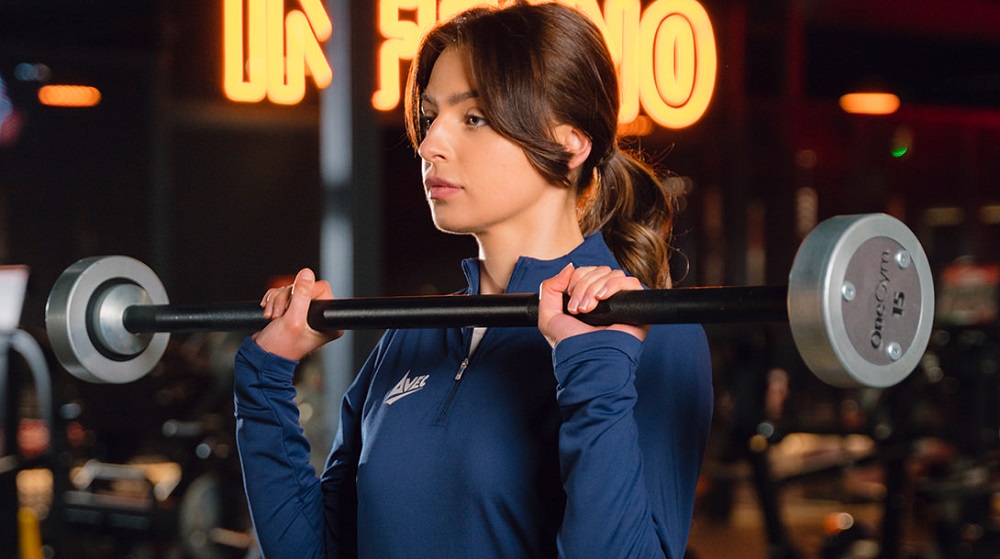
Entering a weight room or starting a new exercise routine can feel overwhelming. With countless machines, free weights, and trending fitness fads available, knowing where to begin is often the hardest part of building physical strength. However, effective strength training does not require complicated routines or exotic equipment. The human body is designed around fundamental movement patterns that yield the greatest return on investment when performed consistently with proper technique.
Beginning a strength training program offers benefits that extend far beyond muscle size. Resistance training improves bone density, supports joint health, enhances metabolic rate, aids in posture correction, and boosts mental resilience. Focusing on foundational movements helps novice lifters build a strong, balanced body while minimizing the risk of injury.
Understanding Compound Movements
The most efficient strength training programs center around compound exercises. Unlike isolation movements, which target a single joint and muscle group, compound movements engage multiple joints and large muscle groups simultaneously.
Mastering basic compound movements creates a strong foundation. These exercises mimic real-world activities like lifting heavy objects, standing up from a low seat, pushing open heavy doors, or pulling items off high shelves. Focusing on these foundational movements allows beginners to build functional strength rapidly while training the nervous system to coordinate muscle groups effectively.
Essential Lower Body Exercises
Building lower body strength provides the foundational power for nearly all physical activities. The legs and hips contain the largest muscle groups in the human body, making their development critical for overall strength and metabolic health.
The Bodyweight or Goblet Squat
The squat is a quintessential movement pattern that strengthens the quadriceps, hamstrings, glutes, and core stabilizers.
- Stand with your feet roughly shoulder-width apart, with your toes pointed slightly outward.
- Keep your chest tall, shoulders pulled back, and your gaze directed straight ahead.
- Initiate the movement by pushing your hips back as if sitting down into a chair, bending your knees simultaneously.
- Descend until your thighs are parallel to the floor, ensuring your knees track in line with your middle toes.
- Drive through your entire foot to return to the starting position, squeezing your glutes at the top.
- Beginners should start with bodyweight before holding a kettlebell or dumbbell vertically against their chest in a goblet position.
The Romanian Deadlift
The Romanian deadlift teaches the essential hip hinge pattern, which targets the posterior chain, including the hamstrings, glutes, and lower back.
- Stand upright with your feet hip-width apart, holding a pair of dumbbells in front of your thighs.
- Keep a soft bend in your knees while maintaining a neutral, flat spine throughout the movement.
- Push your hips directly backward, sliding the weights down close to your shins while hinging at the waist.
- Lower the weights until you feel a deep stretch in your hamstrings, typically around mid-shin level.
- Pause briefly, then drive your hips forward to return to standing, pulling the torso upright using your glutes and hamstrings.
Essential Upper Body Pushing Exercises
Upper body pushing movements target the chest, shoulders, and triceps. These exercises build upper body press strength and improve shoulder joint stability when performed with control.
The Push-Up
The classic push-up is an unrivaled bodyweight exercise that builds chest strength, upper body power, and core stability.
- palms to return to the top extended position.
- Place your hands on the ground slightly wider than shoulder-width apart, with your fingers pointing forward.
- Extend your legs behind you so your body forms a straight line from your head down to your heels.
- Engage your core and glutes to prevent your lower back from sagging toward the floor.
- Lower your chest toward the floor by bending your elbows at roughly a forty-five-degree angle relative to your body.
- Lower yourself until your chest rests just an inch above the ground.
- Press firmly through your
- Beginners can modify this exercise by elevating their hands onto a sturdy bench, table, or wall.
The Overhead Dumbbell Press
The overhead press builds shoulder stability, upper chest strength, and triceps power while teaching core stabilization in an upright posture.
- Stand tall with feet shoulder-width apart, holding a dumbbell in each hand at shoulder height with your palms facing forward or toward each other.
- Engage your core muscles to ensure your lower back does not arch excessively.
- Press the dumbbells upward in a straight path until your arms are fully extended overhead.
- Avoid shrugging your shoulders upward toward your ears at the peak of the movement.
- Lower the weights back down to shoulder level in a slow, controlled motion.
Essential Upper Body Pulling Exercises
Modern lifestyles often lead to rounded shoulders and weak back muscles due to excessive sitting. Upper body pulling exercises strengthen the lats, rhomboids, rear deltoids, and biceps, restoring posture and balancing pushing movements.
The Dumbbell Inverted or Dumbbell Bent-Over Row
The bent-over row targets the mid-back, upper back, and biceps while reinforcing a strong hip hinge position.
- Stand with feet hip-width apart holding a pair of dumbbells at your sides.
- Hinge forward at your hips until your torso rests at roughly a forty-five-degree angle to the floor, maintaining a flat back.
- Allow the dumbbells to hang straight down from your shoulders with your arms fully extended.
- Pull the dumbbells toward your waist by driving your elbows back and squeezing your shoulder blades together.
- Pause briefly at the top position when the weights touch near your ribs.
- Slowly lower the weights back to the starting position under full control.
The Lat Pulldown or Resistance Band Pull-Down
This exercise develops the latissimus dorsi, the broad muscles of the back, creating a strong upper back structure.
- Sit at a lat pulldown station with your feet flat on the floor and knees secured under the pads.
- Grasp the wide bar with an overhand grip slightly wider than your shoulders.
- Lean your upper torso back slightly while keeping your core engaged.
- Pull the bar down toward your upper chest by drawing your elbows down and back.
- Focus on pulling with your back muscles rather than relying solely on your arms.
- Squeeze your upper back at the bottom, then slowly allow the bar to return to the top overhead position.
Core Integration and Stabilization
A strong core is the foundation through which force transfers between the upper and lower body. While compound movements train the core naturally, static hold exercises build endurance in the deep stabilizing muscles.
The Forearm Plank
The plank teaches anti-extension core stability, keeping the spine safe under tension.
- Place your forearms on the floor parallel to each other, with elbows positioned directly under your shoulders.
- Extend your legs behind you, resting your body weight on your forearms and toes.
- Contract your abdomen, squeeze your glutes, and press your forearms into the floor.
- Maintain a perfectly straight line from your head to your ankles without letting your hips sag or rise.
- Hold this position for twenty to forty seconds while maintaining steady, deep breathing.
Basic Guidelines for Beginner Success
Starting a strength routine requires smart application rather than maximum effort on day one. To make continuous progress while remaining safe, keep these training guidelines in mind.
- Prioritize form and control over the amount of weight lifted.
- Train two to three times per week, allowing at least one rest day between full-body sessions for recovery.
- Start each workout with five to ten minutes of dynamic warming up, including arm circles, leg swings, and light cardio.
- Perform two to three sets of eight to twelve repetitions for each chosen exercise.
- Allow two to three minutes of rest between sets to let your energy systems recover fully.
Frequently Asked Questions
How heavy should the weights be when starting as a beginner?
When starting out, choose a weight that allows you to complete the target number of repetitions with proper form while leaving two to three repetitions in reserve. The last few reps should feel challenging, but your movement technique should not degrade. If your form breaks down, the weight is too heavy.
Is it normal to experience muscle soreness after workouts?
Yes, experiencing Delayed Onset Muscle Soreness is completely normal, especially during the first few weeks of a new strength program. Soreness usually peaks twenty-four to forty-eight hours after exercise. Gentle movement, light walking, adequate hydration, and proper sleep will help ease muscle stiffness.
How often should a beginner increase the weight they lift?
Beginners should focus on progressive overload, which means gradually increasing the difficulty of workouts over time. You can increase the weight by small increments when you can comfortably perform all sets and repetitions of an exercise with perfect form for two consecutive workouts.
Can beginners perform strength training without using gym machines?
Yes, beginners can build substantial strength using only bodyweight exercises, dumbbells, or resistance bands at home. Free weights and bodyweight movements train stabilizer muscles and improve body coordination better than fixed trajectory gym machines.
Should strength training be done before or after cardio workouts?
If your primary goal is building strength and muscle, perform your strength training session first while your nervous system and muscles are fresh. Performing intense cardio before weight lifting can fatigue your energy stores and increase the risk of poor technique during lifts.
How long does a typical beginner strength workout need to be?
An effective beginner strength training workout usually lasts between forty-five and sixty minutes. This duration provides enough time for a proper dynamic warm-up, three to five core compound exercises with appropriate rest periods, and a brief cool-down.