

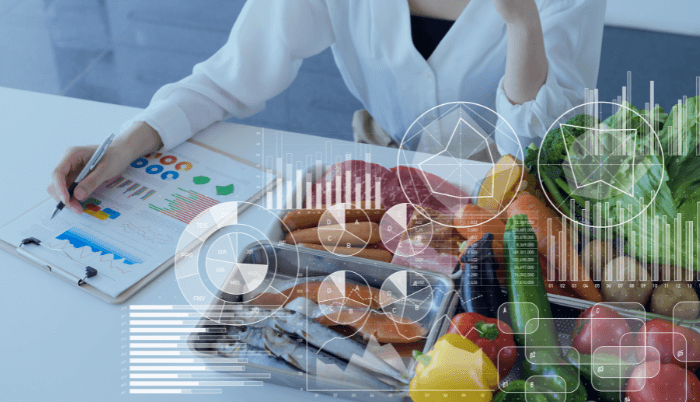
For decades, dietary guidance followed a rigid, one-size-fits-all model. Standard recommendations relied on generalized daily calorie targets, generic food pyramids, and universal nutrient guidelines intended to serve entire populations. However, modern scientific research has rendered this broad approach obsolete. Human metabolic responses to food are vastly different, meaning a meal that stabilizes blood sugar in one individual might cause a sharp glucose spike in another.
Driven by advances in biological testing, data analytics, and digital health tools, personalized nutrition has emerged to replace broad dietary assumptions. Technology now makes it possible to analyze a person’s unique genetic profile, gut microbiome composition, blood chemistry, and daily metabolic real-time data. This shift moves health management away from reactive treatment and toward proactive, highly individualized dietary precision.
The Convergence of Biological Data and Digital Tools
The rise of personalized nutrition relies on the integration of several cutting-edge technological sectors. By combining biological insights with digital tracking, health platforms create a complete, real-time map of an individual’s internal machinery.
Continuous Glucose Monitoring and Metabolic Tracking
Once reserved exclusively for diabetes management, continuous glucose monitors have transitioned into mainstream wellness technology. These small sensors, worn on the back of the arm, measure interstitial glucose levels in real time throughout the day and night.
- Sensors stream live metabolic data directly to smartphone applications.
- Users observe immediate glucose reactions following specific foods, physical activities, stress events, and sleep patterns.
- Machine learning algorithms identify hidden dietary triggers, helping users avoid metabolic spikes that cause fatigue, cravings, and long-term insulin resistance.
- By tailoring carbohydrate intake to dynamic biological responses, individuals maintain steady energy levels and improve metabolic flexibility.
Gut Microbiome Mapping and Metagenomic Sequencing
The trillions of microorganisms residing in the human digestive tract play a central role in nutrient absorption, immune regulation, neurotransmitter production, and metabolic health. Stool testing platforms now leverage advanced DNA sequencing to identify the exact composition of an individual’s gut flora.
- DNA sequencing maps bacteria down to the specific strain level.
- Algorithmic analysis determines how effectively gut bacteria break down specific fibers, complex carbohydrates, and fats.
- Test reports highlight specific prebiotic fibers and fermented foods required to nourish beneficial microbes while reducing inflammatory strains.
- Personalized dietary interventions help resolve persistent digestive discomfort, optimize nutrient uptake, and support systemic health.
Nutrigenomics and Biomarker Diagnostics
Nutrigenomics explores the complex interaction between human genetics and dietary intake. While genetic code remains constant throughout life, gene expression can be modified by the nutrients provided to the body.
- At-home genetic tests identify specific single nucleotide polymorphisms that alter nutrient metabolism.
- Genetic insights reveal variations in how individuals absorb vitamins, process caffeine, regulate cholesterol, and eliminate toxins.
- Regular finger-prick blood tests track dynamic biomarkers, including high-sensitivity CRP, HbA1c, vitamin D levels, and lipid panels.
- Combining static genetic blueprints with dynamic blood biomarkers allows for precise adjustments in dietary plans and targeted supplementation.
Artificial Intelligence and Predictive Nutrition Platforms
Collecting biological data is only the initial phase of individualized nutrition. The true challenge lies in analyzing massive, complex datasets to produce practical, actionable guidance. Artificial intelligence acts as the computational engine that converts raw data points into personalized dietary strategies.
Advanced algorithms evaluate continuous glucose streams, microbiome profiles, genetic traits, and historical food logs simultaneously. Through pattern recognition, artificial intelligence predicts how a user will respond to a specific meal before they consume it. These systems continuously refine their recommendations as they gather additional user data, adjusting meal plans to accommodate shifts in lifestyle, stress levels, physical performance, and health goals.
Furthermore, mobile platforms reduce friction by automating dietary tracking. Smartphone applications utilize computer vision to analyze photos of meals, instantly identifying food items, estimating portion sizes, and calculating macro and micronutrient totals without requiring manual input.
Practical Applications in Everyday Life
The technological transformation of personalized nutrition extends beyond research laboratories, integrating directly into daily routines through accessible digital tools and connected services.
- Smart Kitchen Appliances: Connected appliances sync with personal health platforms to adjust cooking temperatures, steam times, and preparation methods based on optimal nutrient retention for chosen recipes.
- On-Demand Custom Meals: Specialized meal delivery services utilize user health profile data to assemble and deliver fresh, tailored meals calibrated to exact macronutrient, micronutrient, and caloric needs.
- Dynamic Supplementation: Smart dispensers automatically compound custom daily nutrient packs, modifying vitamin and mineral doses based on real-time sleep, recovery, and workout data gathered from wearable devices.
- Wearable Integration: Smartwatches continuously feed sleep quality, resting heart rate, heart rate variability, and step counts into nutrition algorithms, dynamically adjusting daily caloric and electrolyte recommendations.
Challenges Facing the Personalized Nutrition Industry
Despite its rapid expansion, the personalized nutrition industry faces significant structural and scientific hurdles that must be overcome to achieve widespread adoption.
High cost remains a primary barrier. Advanced genetic testing, frequent microbiome sequencing, blood biomarker panels, and continuous sensor hardware require substantial financial investments. Until health insurance plans cover preventive nutritional technologies, access will largely remain limited to higher-income demographics.
Data privacy presents another critical issue. Personalized nutrition platforms gather highly sensitive genetic, metabolic, and behavioral information. Protecting this health data against unauthorized access, third-party monetization, and data breaches requires strict regulatory compliance and transparent platform policies.
Finally, scientific validation must keep pace with technological advancement. While individual data metrics provide valuable clues, human biology remains deeply complex. Overinterpreting short-term data points can lead to unnecessary dietary restriction, orthorexic eating behaviors, or incorrect self-diagnosis without qualified medical oversight.
The Future of Targeted Health and Longevity
Personalized nutrition is evolving from a novel wellness trend into a cornerstone of modern preventive healthcare. As hardware sensors become smaller, less invasive, and more affordable, real-time metabolic monitoring will seamlessly integrate into daily life.
Future developments will combine personalized nutrition with predictive medicine. By cross-referencing continuous biological streams with population-scale health databases, predictive platforms will identify early markers of chronic conditions years before clinical symptoms manifest. Targeted dietary adjustments will serve as early interventions to modify long-term disease trajectories.
Ultimately, technology bridges the gap between scientific knowledge and human behavior. By transforming abstract health advice into precise, real-time feedback, technology empowers individuals to take direct control of their long-term health, energy, and longevity.
Frequently Asked Questions
What is the difference between nutrigenomics and standard dietetics?
Standard dietetics relies on broad population averages to recommend general guidelines for calories, macros, and nutrients. Nutrigenomics analyzes how your specific genetic variations affect your ability to absorb, process, and utilize individual nutrients, allowing for precise, gene-based dietary tailoring.
Are continuous glucose monitors useful for people without diabetes?
Yes, continuous glucose monitors provide valuable insights for non-diabetics by revealing how specific foods, sleep quality, stress levels, and exercise impact blood sugar stability. Identifying and eliminating dramatic glucose spikes helps optimize daily energy, focus, metabolic health, and weight management.
How often should a person test their gut microbiome or blood biomarkers?
Genetic testing only needs to be performed once in a lifetime, as your underlying DNA code does not change. In contrast, gut microbiome composition and blood biomarkers respond dynamically to dietary and lifestyle changes. Re-testing these markers every three to six months helps track progress and evaluate the effectiveness of dietary adjustments.
Can artificial intelligence completely replace human registered dietitians?
Artificial intelligence excels at rapidly analyzing complex biological datasets and predicting physical responses to specific foods. However, human dietitians remain essential for providing emotional context, understanding eating behaviors, managing complex medical conditions, and offering empathetic support that algorithms cannot replicate.
Is personalized nutrition effective for sustainable weight loss?
Personalized nutrition improves weight loss outcomes by removing guesswork. Instead of following restrictive fad diets, individuals receive eating protocols matched to their unique metabolism, satiety signals, gut health, and personal food preferences, leading to better long-term compliance.
How do wearable devices contribute to personalized nutrition plans?
Wearables continuously track metrics like daily energy expenditure, stress, heart rate variability, and sleep quality. Nutrition platforms process this activity data in real time to automatically adjust fluid intake, electrolyte requirements, recovery calories, and meal timing recommendations throughout the day.