

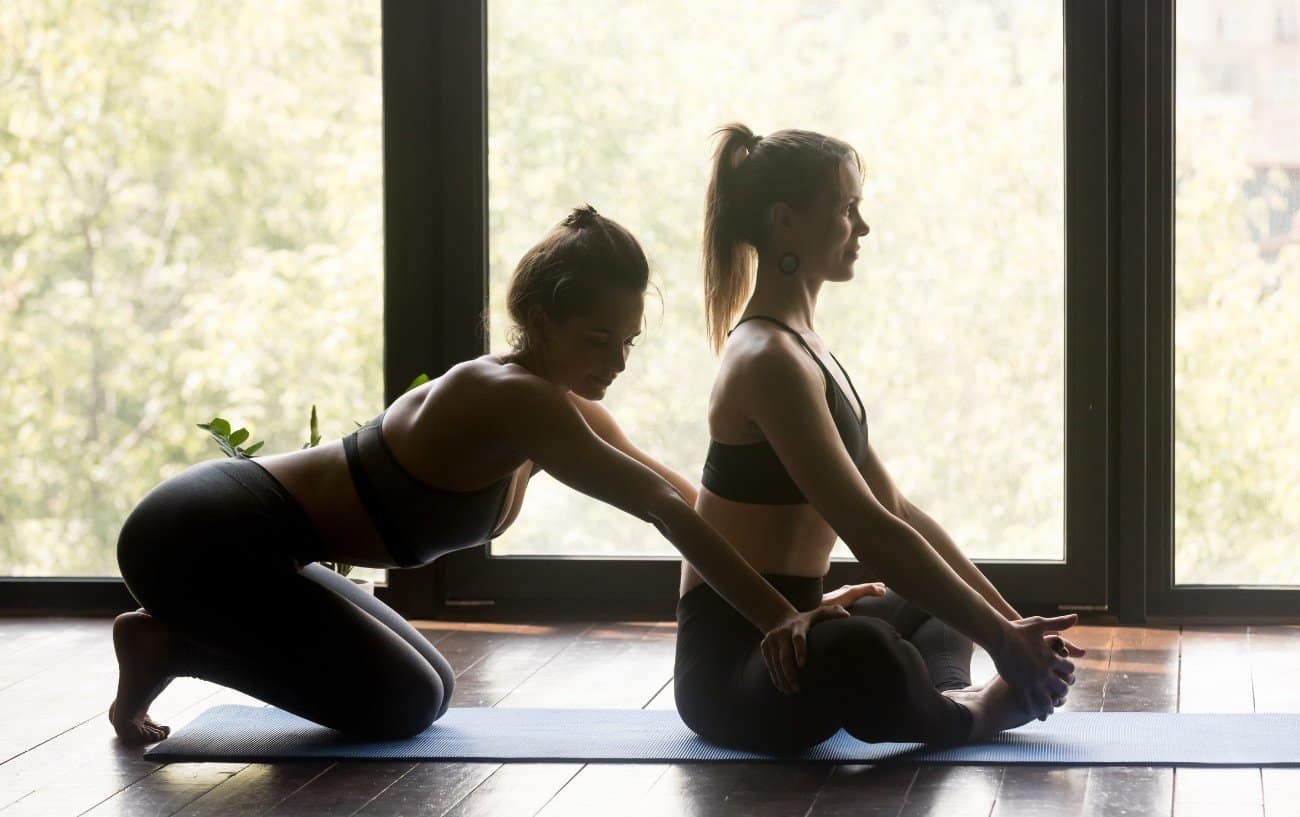
Mental health care in Singapore has shifted considerably in recent years. The conversation around anxiety, burnout, trauma, and emotional regulation has moved from the fringes into mainstream awareness, and more people are actively seeking non-clinical tools that support psychological wellbeing alongside formal therapy or psychiatry. Among these tools, private yoga classes Singapore has emerged as one of the most clinically supported, practically accessible, and deeply effective options available. The mental health benefits of private yoga go well beyond stress relief. They operate at the level of the nervous system, the body’s trauma memory, and the quality of the relationship between practitioner and instructor.
Why the Group Setting Has Psychological Limitations
Group yoga classes offer real value for many people. The community atmosphere, shared energy, and structured routine all contribute positively to general wellbeing. But for individuals dealing with anxiety disorders, trauma histories, depression, or burnout, the group setting introduces a layer of psychological complexity that can actually undermine the practice.
Performance anxiety is one of the most commonly unreported barriers to benefit in group yoga. When you are surrounded by experienced practitioners, the subconscious tendency to compare, to push harder than your body is ready for, or to feel self-conscious about modifications creates a low-grade stress response that directly counters the parasympathetic activation yoga is meant to produce.
For trauma survivors, a crowded room, unexpected physical adjustments from an instructor, or simply being in close proximity to others during vulnerable postures can trigger protective responses that make deep relaxation impossible. The body cannot move toward healing when it is in a defensive state.
Private yoga removes these barriers completely. There is no audience, no comparison, and no unexpected contact. The session is a contained, predictable, psychologically safe environment, and that safety is the foundation on which genuine mental health benefits are built.
The Nervous System Science Behind Private Yoga
To understand why private yoga is particularly effective for mental health, it helps to understand the role of the autonomic nervous system in both psychological distress and recovery.
The autonomic nervous system has two primary branches. The sympathetic branch governs the fight-or-flight response, mobilising the body’s resources in response to perceived threat. The parasympathetic branch, often called the rest-and-digest system, governs recovery, digestion, immune function, and emotional regulation. Chronic stress, anxiety, and trauma all involve a nervous system stuck in sympathetic dominance, unable to fully access the restorative state.
Yoga, particularly when practised with attention to slow breathing, long exhalations, and gentle sustained movement, directly stimulates the vagus nerve, which is the primary pathway of the parasympathetic system. This vagal stimulation shifts the nervous system out of threat mode and into a state where emotional processing, memory consolidation, and genuine relaxation become physiologically possible.
In a private session, the instructor can pace the vagal stimulation precisely. They can observe physiological cues, the quality of your breath, subtle tension patterns in your jaw or shoulders, your response to certain postures, and adjust the session accordingly. This level of attunement is impossible in a group class where the instructor is managing fifteen or twenty people simultaneously.
Trauma-Sensitive Yoga and Its Place in Private Practice
Trauma-sensitive yoga is a clinically validated approach that has been studied in populations including combat veterans, survivors of domestic violence, and individuals with complex post-traumatic stress disorder. The research consistently shows that somatic, body-based practices are uniquely effective for trauma recovery in ways that talk therapy alone cannot achieve.
The core principles of trauma-sensitive yoga include giving the practitioner genuine choice over every movement, using invitational rather than directive language, avoiding hands-on adjustments without explicit consent, and focusing on interoceptive awareness rather than performance. These principles are most fully realised in a private setting.
A private instructor trained in trauma-sensitive approaches creates a session where the client is always in control. There is no expectation to match a sequence, no time pressure, and no judgement. The work moves at the pace of the nervous system, not the clock, and this is precisely what makes it therapeutically effective.
In Singapore, where workplace stress, family pressure, and the culture of high performance create significant psychological load for many residents, trauma-sensitive private yoga fills a genuine gap in the mental health support landscape.
Burnout Recovery Through One-to-One Yoga
Burnout is a recognised occupational phenomenon characterised by emotional exhaustion, depersonalisation, and a reduced sense of personal accomplishment. Singapore’s working population experiences burnout at rates that have been consistently documented in regional workforce surveys, and the recovery process requires more than a holiday or a reduction in working hours.
Private yoga addresses burnout recovery through several mechanisms.
Restoring interoceptive awareness is one of the first casualties of burnout. When you are chronically exhausted and emotionally depleted, you lose the ability to sense your own body’s signals, hunger, fatigue, emotional states, and physical tension. Private yoga rebuilds this awareness deliberately, using body scan practices, restorative postures, and breath observation to help the nervous system reconnect with internal sensation.
Rebuilding a sense of agency is equally important. Burnout often involves a prolonged experience of being driven by external demands with little sense of personal choice. A private yoga session, where the programme is built around your needs and your pace, is itself a therapeutic act of reclaiming autonomy over your time and body.
Sleep quality improvement is a practical outcome that many burnout sufferers report after beginning a consistent private yoga practice. The regulation of the HPA axis, which governs the cortisol stress response, is supported by regular parasympathetic activation. Better sleep in turn supports mood stability, cognitive function, and emotional resilience.
Anxiety and Depression: How Private Yoga Complements Clinical Treatment
Private yoga is not a replacement for professional mental health care. For individuals with clinical anxiety or depression, it works best as an adjunct to evidence-based treatment such as cognitive behavioural therapy or medication. What it offers is a body-level complement to the cognitive and neurochemical work happening in clinical settings.
Regular yoga practice has been associated in peer-reviewed research with reductions in cortisol levels, increases in GABA (a calming neurotransmitter), and improvements in mood as measured by standardised scales. These effects are amplified when the practice is consistent, personally tailored, and delivered in a psychologically safe environment.
For someone managing anxiety, a private instructor can design sessions that prioritise grounding postures, slow rhythmic movement, and extended exhalation breathing, all of which activate the parasympathetic system and reduce physiological arousal. For someone managing depression, the instructor might focus on energising sequences, chest-opening postures, and practices that build self-efficacy and positive embodiment.
The Therapeutic Relationship in Private Yoga
One element that is rarely discussed but profoundly important in private yoga for mental health is the quality of the relationship between instructor and client. Research on therapeutic outcomes consistently shows that the quality of the therapeutic alliance, the sense of being seen, understood, and respected, is one of the strongest predictors of positive outcomes across all healing modalities.
A private yoga instructor who works consistently with the same client over weeks and months develops a nuanced understanding of that person’s patterns, sensitivities, and growth edges. This continuity creates a foundation of trust that allows deeper work to happen, the kind of work that transforms not just flexibility but psychological resilience and self-relationship.
Yoga Edition takes this relational dimension seriously. Their one-to-one instructors are selected not only for technical expertise but for the interpersonal qualities that make a private session genuinely supportive, attentiveness, adaptability, and a genuine commitment to each client’s wellbeing.
FAQ
Q: Can private yoga replace therapy for anxiety or depression?
A: No. Private yoga is a powerful complementary practice but it is not a clinical intervention. If you are experiencing significant anxiety or depression, please work with a qualified mental health professional. Private yoga works best alongside, not instead of, evidence-based clinical treatment.
Q: How quickly can I expect to notice mental health benefits from private yoga?
A: Many people report feeling calmer and more grounded after their first few sessions. More lasting changes to anxiety levels, sleep quality, and emotional regulation typically become noticeable after four to eight weeks of consistent practice, usually two to three sessions per week.
Q: I have never done yoga before. Is private yoga still suitable for mental health support?
A: Absolutely. In fact, for someone coming to yoga primarily for mental health reasons rather than fitness, starting with private sessions is often more effective than joining a group class. Your instructor will teach you the foundational techniques at a pace that suits your needs without any pressure to keep up with others.
Q: Is trauma-sensitive yoga available at private yoga studios in Singapore?
A: Yes. An increasing number of private yoga instructors in Singapore have completed training in trauma-sensitive or trauma-informed yoga approaches. When booking, ask specifically about the instructor’s background in this area if it is relevant to your situation.
Q: Can private yoga help with insomnia related to stress?
A: Yes. Regular private yoga practice that incorporates restorative postures, yoga nidra, and slow pranayama has strong evidence for improving sleep quality, particularly when insomnia is driven by stress or an overactivated nervous system. Your instructor can design sessions specifically to support better sleep.